What should I do first when a pipe bursts?
Shut off the main water valve first. Then turn off power if the area is wet and you can reach the panel while dry. Move items out of the way, take photos, and request an estimate from a local provider.
Request an estimate in minutes
A plumbing emergency feels huge. Water spreads, the clock feels loud, and you do not know who to trust. This page walks you through the first hour in plain steps, so you know what to do next.
Stormlength Plumbing is a referral service. We do not do plumbing, and we do not send anyone to your door ourselves. You send a short request, and independent providers in our network near Johns Creek can review it. You compare, you choose, and the provider does the work. Many providers can respond quickly, but hours vary, so ask each one about availability.
Below you will find how to shut off water, stay safe, limit damage, and pick a provider. Get a written quote before any work starts, and ask questions if a price changes.
Water is pouring or backing up. Take one slow breath. You can do the next few steps.
Find your main shutoff valve. This is the valve that stops all water coming into the house. Check near the water meter, in the basement, in the crawl space, or on a wall near the water heater. Turn it clockwise until it stops.
If only one sink or toilet is leaking, use the small valve under it or behind it. Turn that one off instead.
Water and power are a bad mix. If water is near outlets, cords, or the breaker panel, stay out of it. Turn off the power only if you can reach the panel while standing on dry ground. If you cannot, wait and tell the provider.
Smell gas? Leave the house and call your gas utility from outside. Do not flip switches.
Sewage carries germs. Keep kids and pets away from it, and do not touch it with bare hands.
Some problems cannot wait. Treat these as urgent:
A slow drip, a toilet that runs, or one drain that moves slowly is not usually an emergency. Close the small valve at that fixture. Then request an estimate and book a normal visit. You may pay less when the job is not rushed.
You have a few minutes. Use them well.
The photos help later if you file a claim.
Ice storms can freeze pipes in crawl spaces and outside walls. Ice makes the pipe swell. It can split, and the leak often shows up when the ice melts.
If a pipe is frozen but not broken, you may warm it with a hair dryer on low heat. Never use an open flame. If you see a crack or a bulge, shut off the main valve and wait for a provider.
Summer brings its own trouble. Heavy thunderstorms and leftover tropical rain can overload drains and flood crawl spaces. Older mill-era houses may also have aging pipes that fail without warning.
A water heater is a tank that stores hot water. When it fails, it can leak, make loud rumbling sounds, or stop heating.
Here is what to do:
A small leak at a pipe fitting may be a simple fix. A leak from the tank itself usually means a new tank.
A provider first finds where the water is coming from. Then they stop it. After that, they fix the pipe or make a short-term repair to hold things safe.
Sometimes the full fix needs parts or more time. A good provider will say so plainly. Ask what is a quick patch and what is the lasting repair.
Here is how it works. You send a request. Stormlength Plumbing passes it to independent providers in our network. Providers do the work. They set their own prices and hours.
Stormlength Plumbing does not do repairs, and it is not a plumbing company. Its job is to connect you. You pick who to hire.
Stress can push you to say yes too fast. Slow down for one minute and ask these things:
Quote before work. If a price changes, ask why before you agree.
When the water stops, the cleanup starts. Dry the area fast. In hot, humid weather, mold can start in a few days. Run fans and a dehumidifier. Pull up soaked carpet or pad.
Some policies may cover sudden damage, so check your policy. Providers can often help document damage for a claim. Keep the invoice and your photos together.
After the crisis, take ten minutes to be ready next time.
Need help now? Request a callback to check provider availability.
A provider finds the source of the leak, shuts off the flow, and fixes the pipe or sets a safe short-term patch.
Providers can replace the cracked section of pipe and check the nearby lines for damage.
Leaking or failed tanks can be checked, repaired, or swapped by a provider.
Ask each provider for a clear quote before work begins, so there are no surprises.
Prices change with the job, the pipe type, and how hard the spot is to reach. These are typical U.S. ranges only. Always ask the provider for a written quote before any work starts.
| Item | Typical range | Notes |
|---|---|---|
| Emergency service visit | $100 – $400 | Often charged on top of repair; ask first |
| Burst pipe repair | $150 – $1,000 | Depends on pipe type and access |
| Frozen pipe thaw | $200 – $800 | Higher if the pipe has split |
| Water heater repair | $150 – $600 | Parts and tank age matter |
| Water heater replacement | $1,200 – $3,500 | Tank size and type change the price |
| Shutoff valve replacement | $150 – $500 | Older valves can add time |
Turn off the main valve, or the small valve at the leaking fixture, before anything else.
Tell us what is happening and where. Add a photo if it is safe to take one.
Providers in our network may reply. Ask about availability, price range, and a written quote.
Choose a provider, confirm the quote, and let them start. Providers do the work.
You send one short request. No long forms and no confusing steps while water is on the floor.
Requests go to independent providers in our network who serve homes like yours near Johns Creek.
Compare what each provider says, ask your questions, and pick the one that fits your needs.
Stormlength Plumbing connects you. Providers do the work and set their own prices.
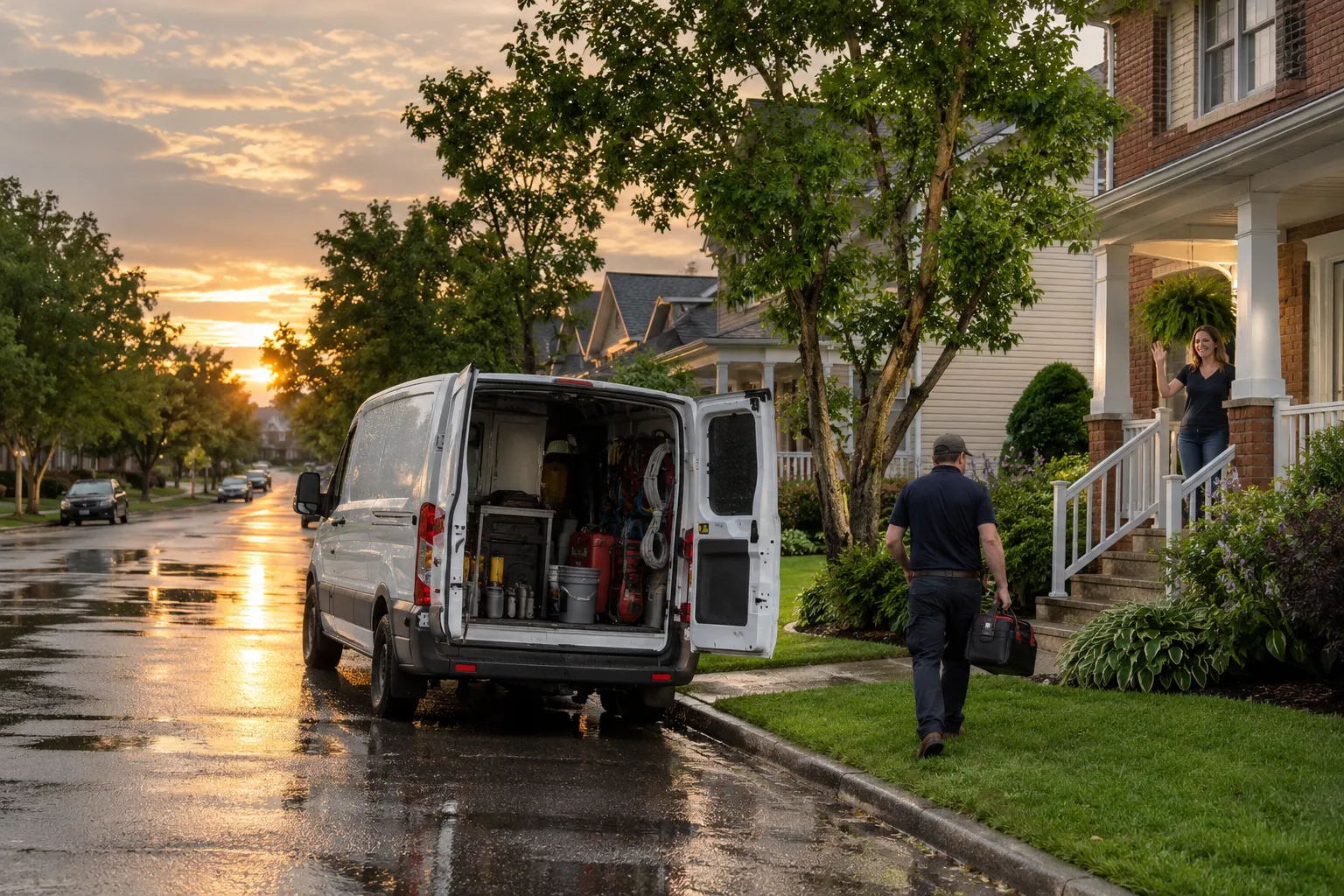
Tell us what is going on. Request an estimate and we will pass it to a local provider in our network. You decide what happens next.
No obligationShut off the main water valve first. Then turn off power if the area is wet and you can reach the panel while dry. Move items out of the way, take photos, and request an estimate from a local provider.
It varies by job. Many visits run from about $150 to $1,000 in the U.S., and bigger repairs cost more. Ask for a written quote before any work starts, and ask about extra fees for rush service.
Some policies may cover sudden damage, but not all. Check your policy or ask your insurer. Providers can often help document damage for a claim, so keep photos, notes, and your invoice.
Tell us what is going on. Request an estimate and we will pass it to a local provider in our network. You decide what happens next.
No obligation